Hello to my ever-so-loyal email list! I hope you’re having as much fun as I am figuring out new marketing plans actually built for 2026.
Last week I took a detox from Content Detox, but now I am so back (I was actually in NYC for my friend’s wedding).
One thing I’m realizing about showing up in AI search is that it’s basically just doing good, holistic marketing.
But everyone wants tactics… so here you go!
In this edition:
- 🤖 The 20 signals that actually move ChatGPT citations
- 📆 Why messy byline dates quietly hurt your SEO
- 🗞️ Stories to not doomscroll

🤖 The 20 signals that actually move ChatGPT citations
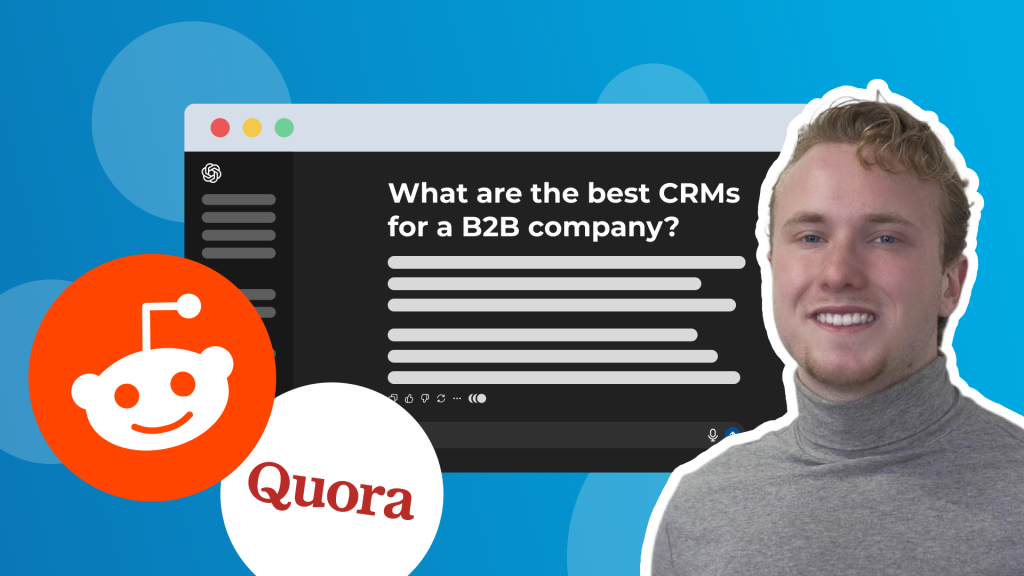
SE Ranking just analyzed 129k domains and 216k pages to see what correlates with ChatGPT citations.
The finding: most “ChatGPT SEO” advice is really overcomplicated. The model is rewarding the same fundamentals Google has cared about for years, plus a few very specific brand signals.
1. Authority still wins
- Referring domains were the strongest predictor. Sites below 32k referring domains averaged 2.9 citations. After that threshold, citations nearly doubled to 5.6.
- High Domain Trust beats individual page scores. Sites below 43 averaged 1.6 citations, and sites in the 97-100 range averaged 8.4 citations. Meanwhile, any page with Page Trust 28+ performed roughly the same (8.3).
- Traffic only mattered at the top end. Sites under 190k monthly visitors averaged 2-2.9 citations regardless of whether they get 20 or 20k visitors. Above 10M visitors, average citations jumped to 8.5.
2. Depth and freshness beat keyword tricks
- Longer content gets more citations. Sub-800-word posts averaged 3.2 citations. Articles over 2,900 words averaged 5.1.
- The best performing pages used sections of 120 to 180 words between headings, included 19+ data points, and featured expert quotes.
- ChatGPT prioritizes fresh content. Pages updated within 3 months averaged 6 citations. Stale pages sat at 3.6.
- Over-optimized URLs and titles underperformed. Topic-based URLs outperformed keyword-based URLs, and less keyword-stuffed titles earned far more citations (5.9 vs 2.8).
3. Brand and community signals matter a lot
- Confirmed: Brand mentions on forums matter. A heavy presence on Reddit and Quora led to an average of 7 citations, compared with ~1.8 for brands that rarely appear there.
- Trust signals matter (obviously?). Brands with listings across Trustpilot, G2, Capterra, Yelp, Sitejabber correlated with 4.6-6.3 citations. Brands absent from review sites averaged 1.8.
The takeaway for marketers: If you’re already building real authority, publishing deep, updated content, and showing up in communities and review sites, you’re doing “ChatGPT SEO” whether you call it that or not.
📆 Why inconsistent publishing dates hurt your SEO
If you’re one of the many who know me for my Blog Revamp Checklist, you’ll like these findings.
This piece makes a pretty uncomfortable point: a lot of your page dates are probably lying, and it’s directly influencing your rankings and AI visibility. Byline dates are not a cosmetic UI choice… they’re a trust and ranking factor.
A lot of websites accidentally blend five different date types without realizing it: published, updated, schema dates, visible on page dates, and sitemap lastmod.
They’re all TOTALLY different and might be confusing Google (and users).
Key realities from the data and Google’s own guidance:
- Freshness is query-dependent. Dates matter a lot for news, launches, and evolving topics. But not as much for timeless “how to” content in slow-to-change industries (if you’re in B2B, that’s not you right now).
- Changing dates without meaningful updates does not move rankings. Google cross-checks schema, on-page dates, sitemaps, and crawl history. In other words, trying to exploit the algo with “new” timestamps on old copy does not work.
- Dates influence clicks more than rank. One case study found that adding dates to evergreen content cut organic traffic 13.37%, rolling them back recovered 10.10%, with rankings basically flat.
- Relative timestamps like “3 months ago” and inconsistent schema dates are a problem. They create ambiguity about when the content was actually updated. And remember, Google likes TRUSTWORTHY sites.
What to do:
- Define what counts as a meaningful update and only change dates when content genuinely changes.
- Align visible dates, schema datePublished and dateModified, and sitemap lastmod so they’re the same.
- Show dates on time-sensitive pieces and hide them on truly evergreen content. Run regular content audits to find outdated content to revamp. Steal my Blog Revamp process here.

😎 Celebrating 100K impressions on LinkedIn

“So what’s the ROI of that mirror selfie you posted?”

🗞️ Stories to not doomscroll
AI Mode still drives clicks on 69% of transactional searches, new UX data shows. Users treat AI results as shortlists, favoring top-five listings with strong reviews over single “#1” results.
AI search runs on bots, not users. Winning visibility means letting the right AI crawlers in and structuring content so agents can read and reuse it instantly.
OpenAI goes “code red” as ChatGPT lags behind Gemini 3 on top benchmarks. Altman paused ads and agent features to focus on speed, reliability, and reasoning upgrades.
YouTube beats LinkedIn as the B2B platform companies say they can’t live without. Neil Patel’s survey of 300 firms shows YouTube at 49%, LinkedIn at 38%, with all other networks barely registering.
Google is testing social channel integrations in Search Console Insights for a small set of sites. The experiment adds search performance data for YouTube, TikTok, and Instagram directly inside the report.
How to figure out if an organic traffic drops is from SEO… or demand, brand, and PPC shifts. Find the culprit by segmenting traffic by query intent, URL, device, SERP features, and geo.

🤝 Need a hand with your content marketing?
I run Stat Digital, a fractional content marketing team for B2B SaaS companies.
We can help you:
- Create blogs that capture ready-to-buy leads from SEO.
- Launch and run newsletters to nurture the thousands of neglected contacts going stale in your CRM (like this one)
Want to uncover your top opportunities to generate new customers from your content? Schedule a free strategy session here.

Thanks for reading! See ya next week.
~ Jacob Statler